

Blue Trees, 1915-1916, H. Lyman Saÿen, Smithsonian American Art Museum
Our Mission
Curationist Foundation connects people with global cultural resources and perspectives through open knowledge.
Our Story
Since its inception, Curationist Foundation’s mission has been to bring global culture and perspective to the world via digital programming.
Founded as MHz Networks, the organization originated as an American broadcaster and project of the Commonwealth Public Broadcasting Corporation (CPBC).
CPBC established MHz Networks as a nonprofit. MHz Networks carried forward the mission of serving its local American market, the Washington, D.C. metro area, with rich cultural content from around the world.
MHz Networks changed its name to MHz Foundation, a 501(c)(3) organization, and ended operational ties with the MHz Network.
MHz Foundation expanded its reach beyond the Metro DC area to the world via Curationist.org. Designed and built by a team of developers, digital archivists, content experts, academics, writers, and editors, Curationist strives to make global arts, culture, and heritage available to all through a free knowledge platform and website.
MHz Foundation became Curationist Foundation, gaining an updated identity and name that clearly aligns our work with our central project, Curationist. Joining the foundation's name with the Curationist platform clearly articulates the unity of mission and vision we share. Curationist is the nucleus of the Foundation, and our initiatives and future endeavors spring from this core.
Curationist Foundation brings together arts and culture communities to find, share, collaborate and reimagine cultural narratives.
Our Values
- Inspire: Join others in collaborative global open-access efforts that engage millions of digital assets within the Commons, making the Commons increasingly accessible and manageable.
- Organize: Galvanize educators, communities, and others to share their expertise and work together to reframe narratives.
- Educate: Provide high-quality open-access resources and tools for K-12 and higher education professionals and their students.
- Care: Encourage fearless engagement with critical and rigorous perspectives in art and life by respecting the CARE principles framework of indigenous-centered cultural and data sovereignty.
- Reciprocate: Remain in conversation with our peers, collaborators, and participants in order to discover and serve mutually beneficial needs and goals.
Our Initiatives
Curationist
A platform to search across institutions, large and small, to find open access digital heritage.
Curationist Museum Services
Meeting institutions where they are and helping them overcome obstacles to digital sharing.
Support our cause
Support Curationist Foundation and be a part of our success story.
Our Board
Curationist Foundation’s Board of Directors is composed of people focused on open access and preserving cultural heritage. We are marking a bold path to do more to provide cultural heritage institutions with better digital tools for sharing.
The Board of Directors oversees operations, fundraising, partnerships, and programmatic work to support our projects.
Jennryn Wetzler
Board Chair

Lauren Hendry Parsons
Board Vice Chair
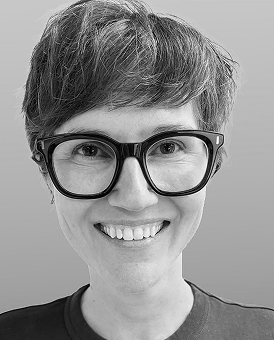
Her connection to Curationist brings together several longstanding interests: digital rights, access to knowledge, and a fascination with how we preserve, interpret, and make sense of history. An Australian who spent a decade in Asia and is now based in London, Lauren has also worked extensively with US-based organizations and audiences. An accredited mediator with a degree in Ancient History and Philosophy, previous experience in the music industry, and an enduring love of arts and culture, she brings a strategic communications lens, an international perspective, and plenty of curiosity to the board.
She is particularly interested in how technology can expand access to culture, preserve knowledge (and its nuance), and foster richer, more inclusive understandings of history.
Grace Abuhamad
Board Member

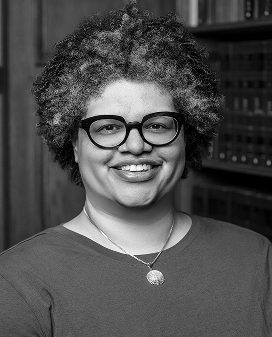
Patricia Akhimie
Board Member
Nancy Weiss
Board Member
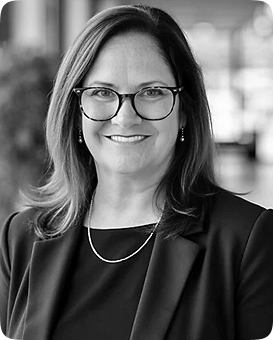
Nancy's international work has included drafting and negotiating landmark international agreements, including the Marrakesh Treaty to Facilitate Access to Published Works for Persons Who Are Blind, Visually Impaired or Otherwise Print Disabled; the Washington Conference Principles on Nazi-Confiscated Art; UNESCO conventions; and United Nations frameworks concerning Internet governance, digital access, and inclusion. She has also helped shape U.S. laws, policies, and strategies in these areas.
Nancy is currently a Senior Fellow with the Program on Information Justice and Intellectual Property at American University Washington College of Law, where she teaches Cultural Heritage Law and works with students in the Glushko-Samuelson Intellectual Property Law Clinic. Earlier in her career, Nancy practiced law at Williams & Connolly and clerked for the Honorable William W. Schwarzer (N.D. Cal. and Director of the Federal Judicial Center).